Warehouse operations should make the next move obvious.
We care about the quiet sequence behind a reliable departure: a receipt that is checked, a location that is known, a pick that can be reconciled and a pallet that reaches dispatch with its paperwork attached.
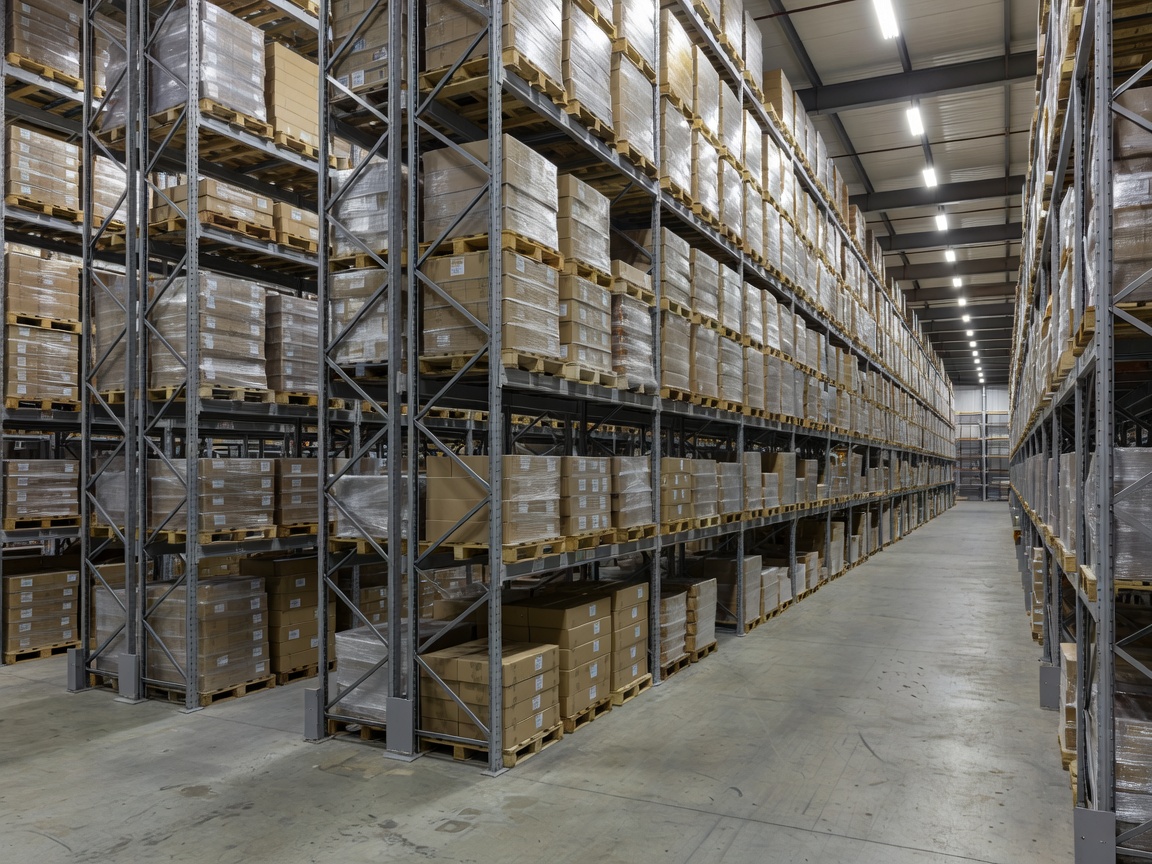
Warehouse work between the Baltics and Scandinavia often involves mixed shipment profiles. Full pallets, part pallets, returns, temperature-sensitive goods and freight waiting for a consolidated departure may share one building. The operating question is not simply how much can be stored. It is whether every unit can be identified, located and released without creating a new question for the next team.
Build receiving around verification
Receiving begins before the vehicle reaches the bay. An expected-arrival notice should identify the sender, shipment reference, package count, pallet type and any handling requirement that affects unloading. At the dock, the team compares the physical freight with that expectation, records visible damage and separates uncertain goods from stock that can be put away immediately. Photographs, time stamps and signed exceptions create a useful record when a later discrepancy appears.
A simple receiving sequence is:
- Confirm vehicle, reference and unloading position.
- Count handling units before breaking the load.
- Check labels, condition and any seal or temperature information.
- Record differences while the driver or handover party is present.
- Assign a status: available, held for review, damaged or awaiting documents.
Make storage support the work
Slotting should reflect movement, not just empty space. Frequently dispatched stock benefits from locations that reduce travel and remain accessible during busy receiving periods. Slower or irregular stock can use denser storage if its identification remains clear. Location labels should be readable from the aisle, and the warehouse map should distinguish reserve, pick-face, quarantine, returns and dispatch staging areas.
There is a trade-off between maximum density and quick access. Dense storage can reduce the footprint but may add handling steps. More open forward-pick space can speed preparation but needs disciplined replenishment. We choose between these approaches by looking at item velocity, handling characteristics, order shape and the cost of interrupting a live dispatch.
Connect picking to dispatch
Picking is strongest when the order line, location, quantity and handling instruction travel together. For mixed pallets, the sequence can follow delivery order or unloading logic rather than only warehouse location. A second-person check is useful for high-risk or documentation-sensitive consignments. Before loading, the dispatch team confirms that the pallet count, labels, wrapping, photographs and shipping documents agree.
Operational checklist
- Use one reference across notice, warehouse record and dispatch paperwork.
- Define who may release held, damaged or short goods.
- Keep staging lanes visibly separated by departure, route or status.
- Review recurring discrepancies by source, SKU, shift and handover point.
- Plan overflow and seasonal labor before the floor becomes congested.
The practical benefit of this discipline is shared context. A warehouse does not need elaborate language to coordinate well; it needs agreed statuses, visible locations and a clear point at which responsibility passes to the next team. For corridor planning, continue with Baltic–Scandinavian distribution or explore inventory and storage design.