Design the corridor as a chain of handovers, not a single trip.
Baltic–Scandinavian distribution works best when warehouse, terminal, road and receiving teams share the same movement plan. We focus on the connections between modes and the decisions that keep freight visible while it travels.
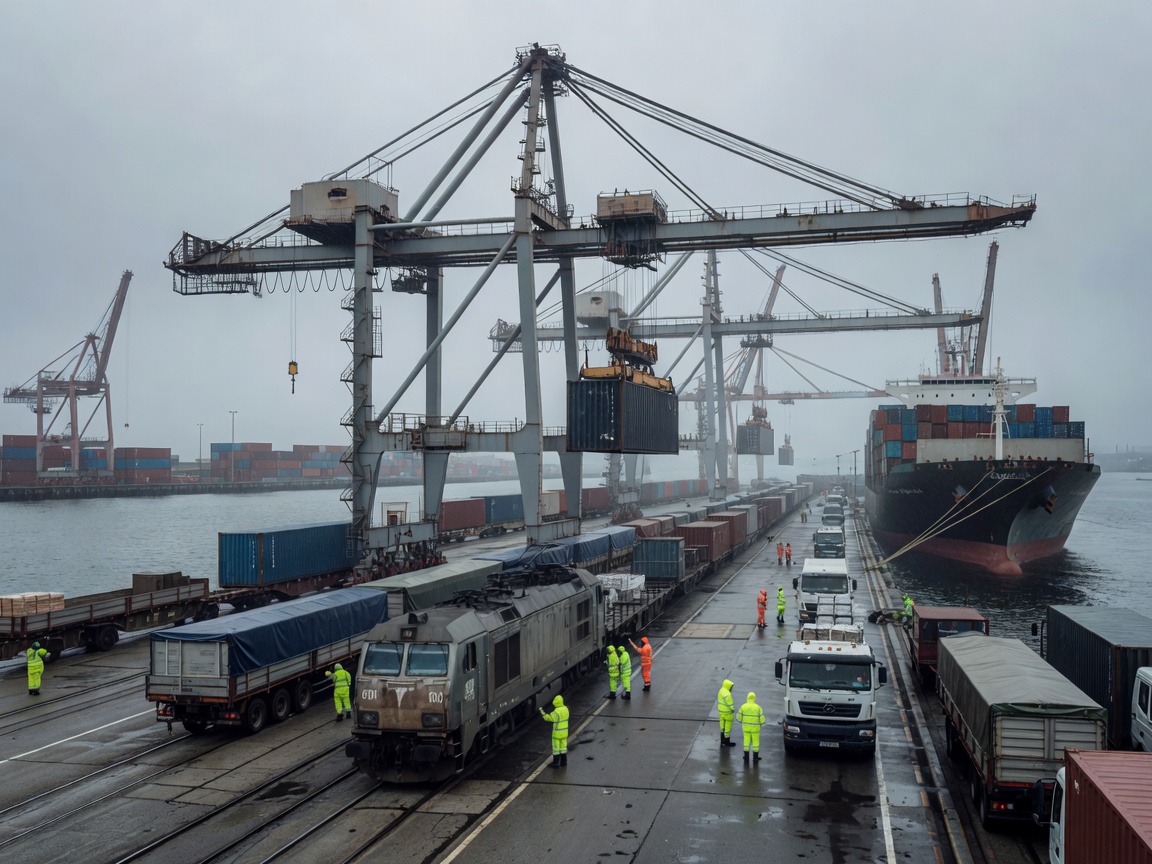
A cross-sea distribution corridor is a sequence: origin preparation, collection, terminal reception, sea or land movement, destination handling, onward delivery and consignee handover. Each step has its own cut-off, information requirement and exception pattern. A plan that only describes the first and last address leaves the most sensitive parts undefined.
Start with the service promise
Before selecting a movement pattern, define what matters. Is the priority a predictable delivery window, fewer handling events, consolidation, flexible collection or a particular type of cargo treatment? These priorities can pull in different directions. A direct movement may reduce intermediate handling, while consolidation can improve vehicle utilization but introduces a planning window and a sorting step.
For each lane, document:
- Origin and destination operating hours.
- Collection constraints, loading equipment and pallet dimensions.
- Terminal or transfer cut-offs and required references.
- Whether the shipment can wait, be consolidated or needs priority handling.
- Who owns the decision when a connection is missed.
Coordinate the handover points
Handover information should arrive before the freight. A booking reference, package count, weights, dimensions, labels, customs status and special handling notes allow the receiving party to match the physical movement to the planned movement. When a unit is split, consolidated or repacked, the new relationship between parent shipment and handling unit must remain traceable.
We find it useful to maintain a route timeline with planned, confirmed and completed states. “Vehicle collected” is different from “terminal received”; “terminal received” is different from “loaded for onward movement.” These distinctions help teams act on the next real risk rather than repeat an old status.
Plan around northern conditions
Seasonal conditions can affect road access, sailing schedules, terminal congestion, staffing and available loading windows. The answer is not to promise a fixed buffer without evidence. Instead, identify which parts of the route are sensitive, agree when an update should trigger a replanning decision and keep alternative staging or delivery dates visible.
Compare corridor structures
A consolidated model can suit regular volumes with compatible destinations and flexible release timing. It may be less suitable for urgent, irregular or highly sensitive freight. A more direct model can simplify the chain but may require a stronger volume commitment and tighter vehicle coordination. A network with a destination warehouse can provide local sorting and delivery planning, though it adds an inventory and handover layer.
Working checklist
- Map every physical and information handover.
- Define a single shipment reference and status vocabulary.
- Separate planned dates from confirmed dates.
- Record route-sensitive cargo requirements before booking.
- Review exceptions by lane, not only by individual shipment.
Corridor design becomes practical when every participant can see what has happened, what is expected next and who can decide. For the documentation side, read our cross-border logistics guide; for final appointments, see dispatch and delivery planning.