Dispatch planning turns prepared freight into a dependable appointment.
We connect order readiness, vehicle choice, route sequence and consignee availability. The goal is not a decorative schedule; it is a plan that explains what can move, when, and what happens if the plan changes.
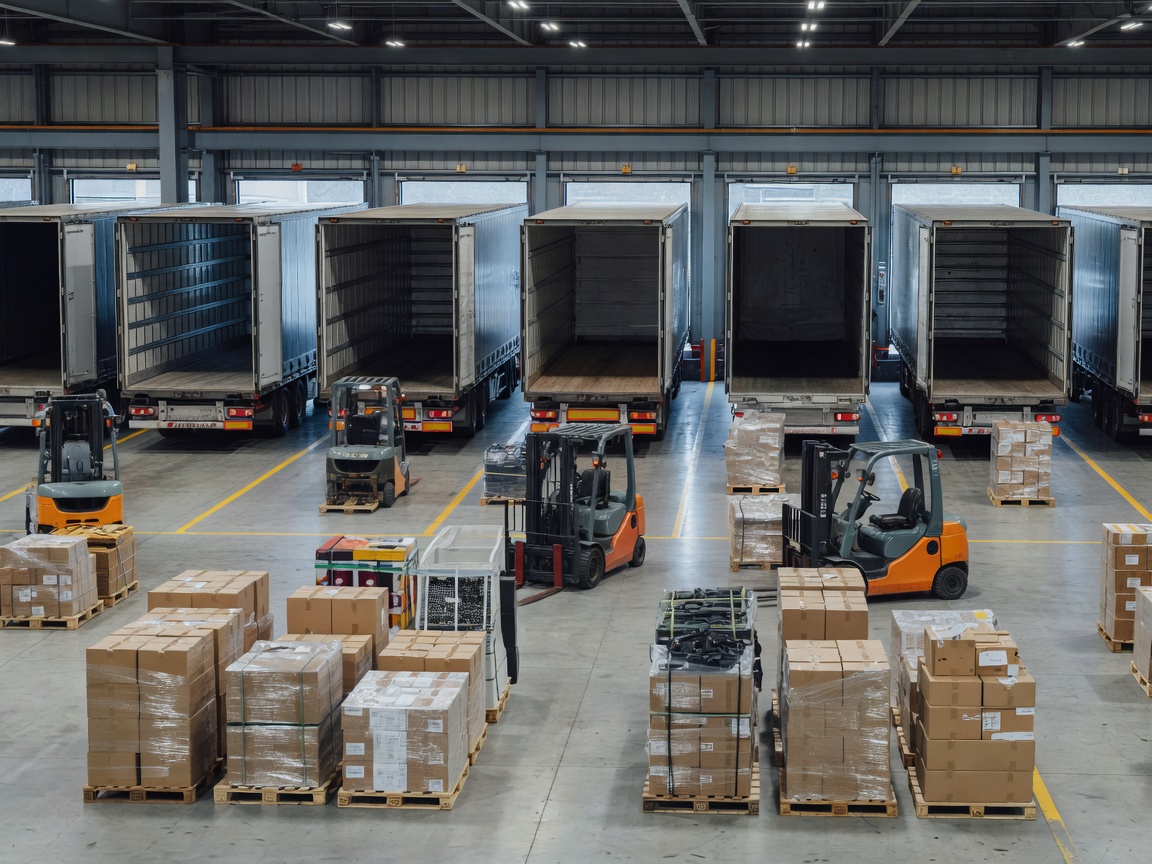
A delivery plan begins with constraints. Goods may have loading requirements, delivery windows, access limits, pallet exchange expectations, appointment rules or special handling instructions. The route planner needs these details before arranging the sequence, not after a vehicle is already committed.
Confirm readiness before assigning movement
Warehouse readiness includes quantity, packaging, labels, documents, status and physical staging. Commercial readiness may include a confirmed order, destination contact and agreed delivery conditions. Transport readiness includes a suitable vehicle, driver instructions and a route that can accommodate the planned stops. These forms of readiness are related but not interchangeable.
Use a dispatch gate:
- Confirm the shipment reference and destination.
- Check handling units, dimensions, weight and loading order.
- Verify documents and special instructions.
- Confirm collection window and vehicle suitability.
- Share delivery requirements with the receiving party.
Build a route timeline
A useful timeline includes warehouse release, loading, departure, transfer or terminal events, arrival estimate, appointment, unloading and proof of delivery. Planned, confirmed and completed should be separate states. If the vehicle is delayed, the team can then see which future event is affected rather than simply replacing one time with another.
Multi-stop planning requires a clear priority. Delivery-window commitments may dictate sequence; unloading duration, vehicle access and cargo stability may constrain it. A geographically short route is not always the operationally shortest route when waiting, access restrictions or complex handovers are involved.
Prepare the pallet for the destination
Loading order, label position, wrapping and protection should reflect how the freight will be unloaded. Mixed pallets need clear separation and a readable packing record. If a consignee requires a booking reference or delivery note at the bay, include it in the driver pack and the digital dispatch record. A pallet that is safe to move but difficult to identify creates avoidable dwell at delivery.
Manage changes visibly
Weather, congestion, a missed connection, a delayed warehouse release or an unavailable consignee can alter the plan. Establish who can approve a resequence, who contacts the destination and how the new instruction is recorded. Do not let a phone call become the only version of the plan. A short exception note with time, owner, decision and next update is enough to preserve continuity.
Choose a planning model
Fixed recurring routes provide familiarity and may suit stable demand. Dynamic planning can respond better to changing orders but needs reliable live inputs and fast decision ownership. Dedicated movement offers control, while consolidation can use shared capacity more efficiently but requires compatible timing and careful sorting. Compare these options against delivery-window flexibility, cargo profile, exception tolerance and the quality of available data.
For the inventory required before dispatch, read Inventory & Storage. For the broader corridor, see Baltic–Scandinavian Distribution, or contact us to discuss an operating question.